Home > Children's Vision > Guide To Eye Turns
Guide To Eye Turns
- Are eye turns the same as ‘crossed-eyes’?
- What causes an eye turn?
- Can eye turns be treated without surgery?
- What is the difference between a lazy eye and an eye turn?
- Eye turns are also known as strabismus, squints and wall-eyed.
-
Infantile (Congenital) Esotropia
1-2% of children have the eye turn, infantile esotropia. Esotropia, a form of childhood strabismus (eye misalignment), refers to the inward turning of the eye...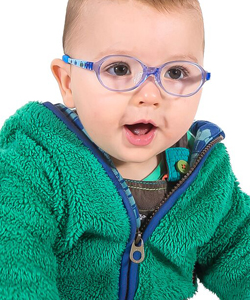
-
What Is Strabismus (Crossed-Eyes)?
Up to 5% of the population has strabismus, or an eye turn. Strabismus occurs when the two eyes are unable to maintain proper alignment and focus together on an object - one eye looks directly at the object, while the other eye points in a different direction....
-
Accommodative Esotropia: Real Patients
Accommodative esotropia usually presents itself in children from age 2 and older. The most prevalent type of childhood strabismus (eye turn) is accommodative esotropia. As...
-
What Is Accommodative Esotropia?
The College of Optometrists in Vision Development (COVD), reports that up to 1 in 50 children have esotropia. A sudden eye turn at ages 2-3...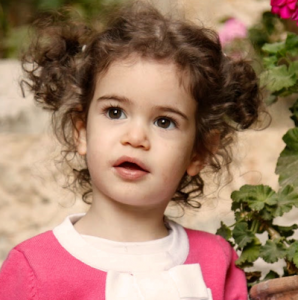
-
How to Stimulate Your Child’s Vision
Healthy vision development is a crucial part of childhood development, as it enables timely achievements of all developmental milestones. The first three years of life will concentrate on many milestone achievements, among the most important, is your child’s vision....
-
What Is Esotropia?
Esotropia is a form of strabismus (crossed-eyes) that is caused by an inward turn of the eye, toward the nose. This condition can be constant or intermittent and cause an individual to appear 'cross-eyed'....
-
What Is Exotropia?
Exotropia is a common form of strabismus characterized by an outward eye turn, away from the nose. Exotropia is a eye turn where one eye points outwards, this may be noticed while the child is looking at distance objects, near objects or both....
-
Hypertropia or Hyperphoria?
Hypertropia and hyperphoria are when the eyes are misaligned - one pointing higher than the other. Both these forms of eye turn can be well managed by optical lenses and vision therapy, often avoiding eye surgery....
-
Exophoria and Esophoria
Has your child been diagnosed with exophoria or esophoria? Both of these may appear as an eye turn, and can be successfully treated with eyeglasses and/or vision therapy....
-
Eye Conditions That Cause Strabismus
Many common eye conditions can lead to an eye turn. Eye turns affect over 3 people in 100 and can be successfully treated by eye doctors, often without needing complex eye surgery....
-
Vision Problems from a Brain Injury
Can a brain injury cause vision problems? Yes, any traumatic brain injury (TBI) can have significant visual consequences. During the initial treatment of a concussion or other traumatic brain injury (TBI), visual problems are often overlooked. Frequently, visual problems are hidden or neglected— lengthening and impacting rehabilitation....